Artifacts

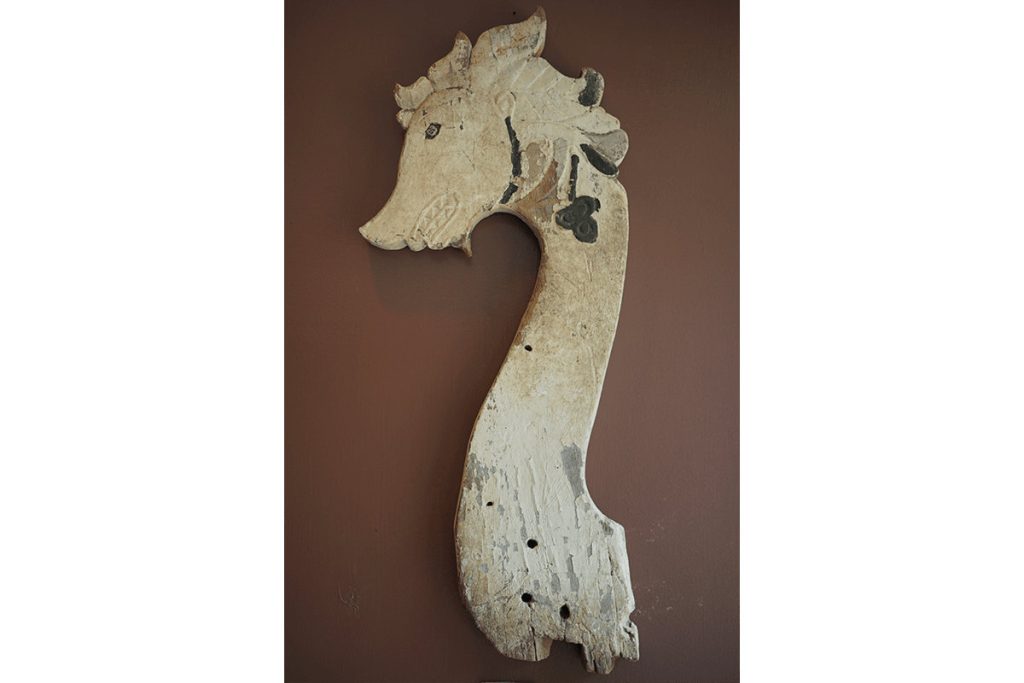
Ukiran Kepala Perahu (Boat Prow Carving)

This weathered wooden carving, shaped as a stylized animal head, is a striking example of traditional Malay artistry. Likely an ornament from the prow or stern of a historical perahu (boat) from Terengganu, it embodies the region’s deep maritime heritage. It served as both decoration and a symbolic guardian, showcasing intricate craftsmanship and cultural symbolism.

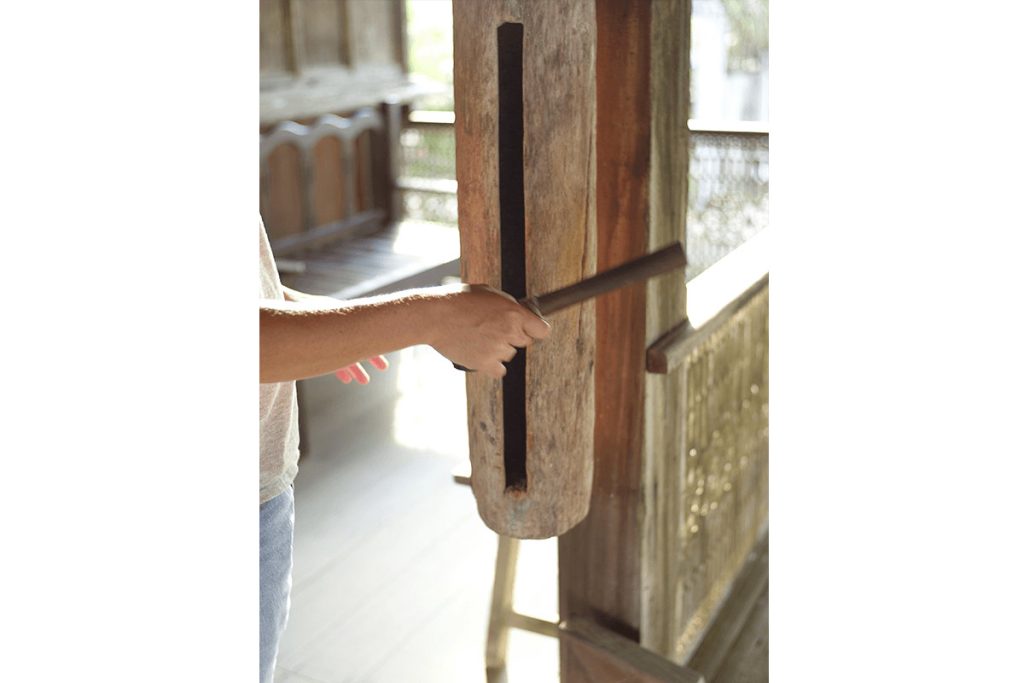
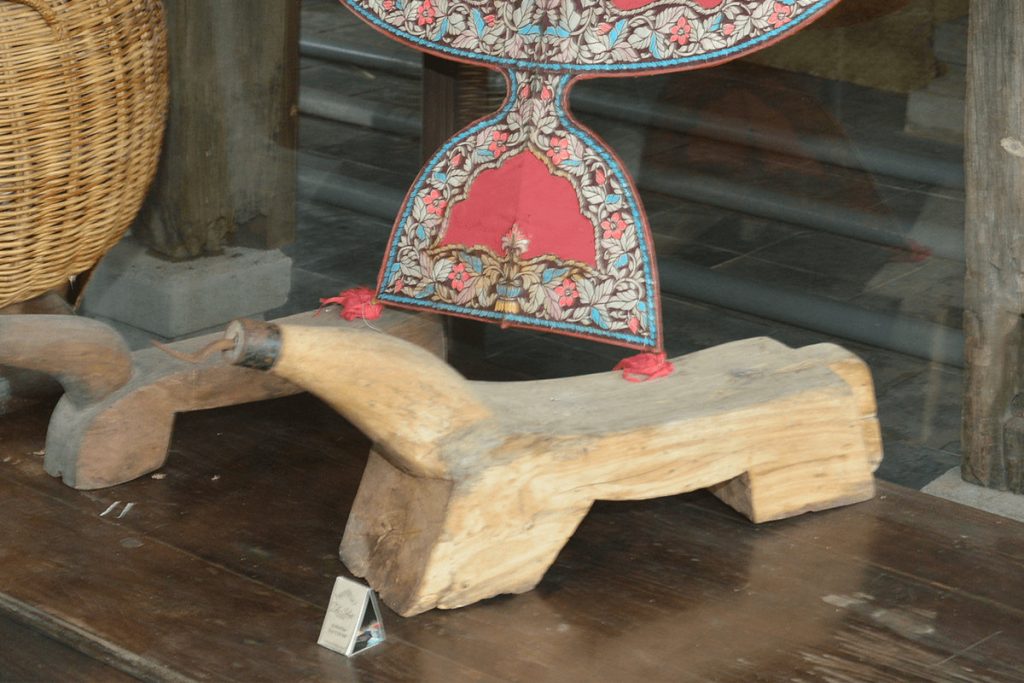
Kertuk

This object is a kertuk, a traditional slit drum made from a hollowed wooden log with a long, narrow slit cut into its side. It is played by striking the sides of the slit with a wooden stick, producing a resonant sound. Kertuk are traditionally used for various purposes, including signaling (e.g., calling villagers for gatherings, announcing emergencies), rhythmic accompaniment in traditional performances, or to mark prayer times.

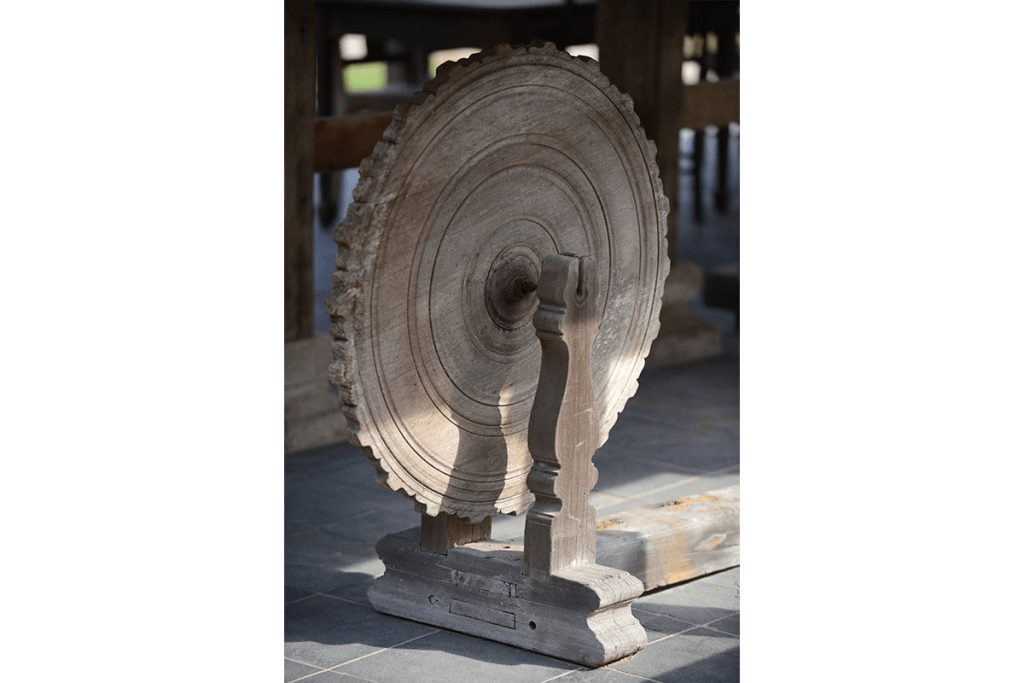
Roda Ukiran (Carved Wooden Wheel)

A large, circular carved wooden piece (roda ukiran) mounted on a decorative wooden stand. This object, with its prominent concentric rings and rough-hewn edges, represents a traditional wooden wheel from an old cart or mill.

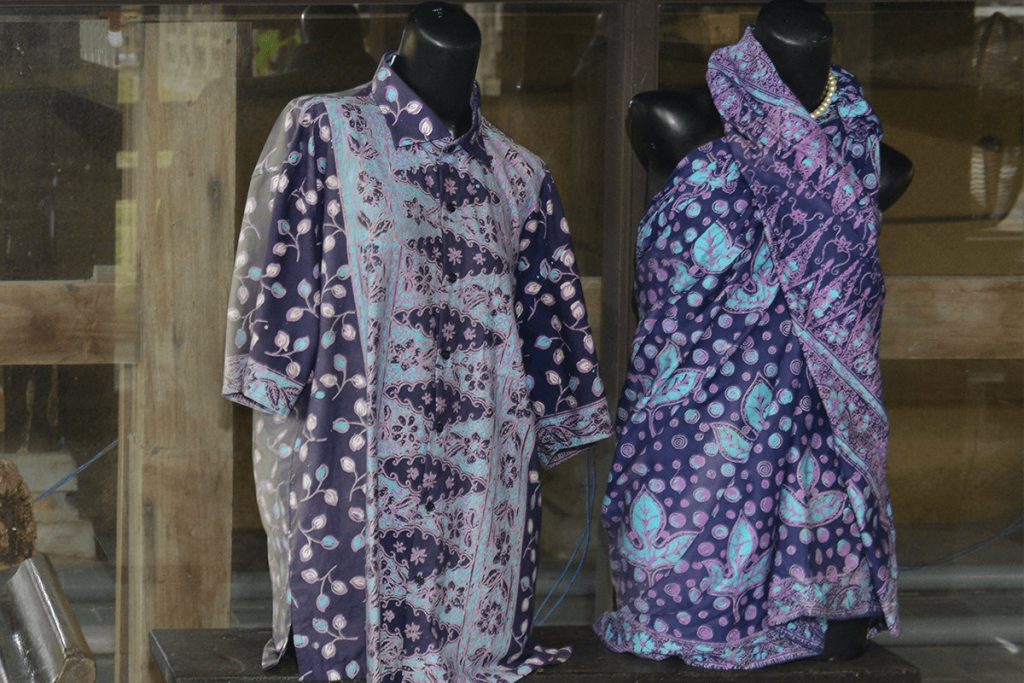
Baju Batik (Batik Clothing)

These are garments made from batik fabric (baju batik), showcasing intricate patterns and vibrant colors. Batik is a traditional technique where cloth is dyed using a wax-resist method. These pieces highlight the rich textile heritage and artistry of Malaysia, where batik is a significant cultural craft.

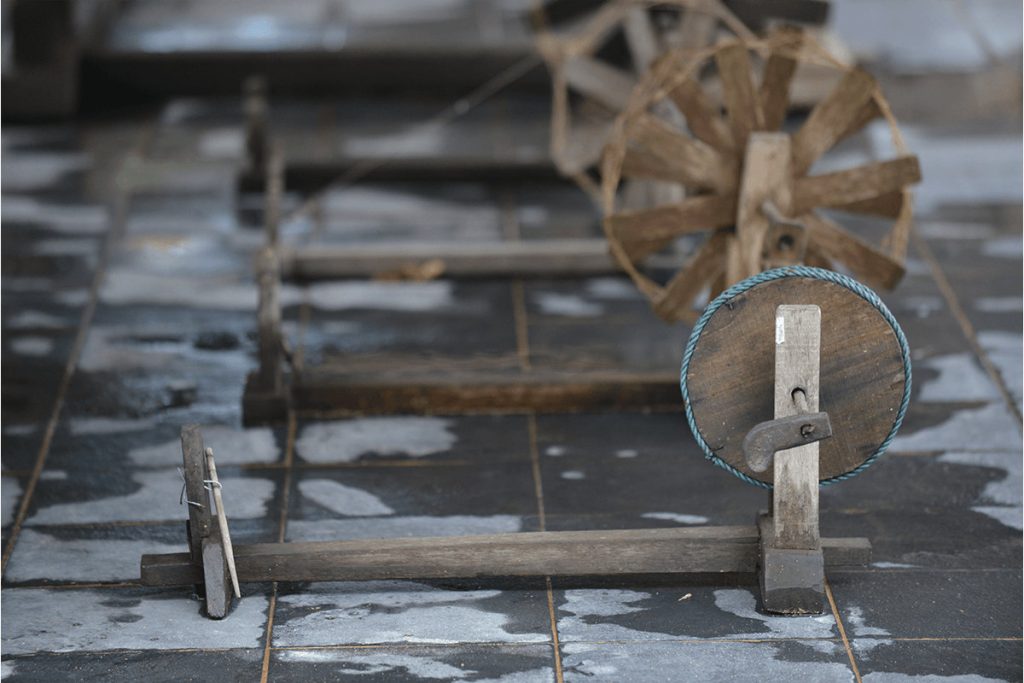
Alat Tenun Tangan (Hand Looming Tools)

These are traditional wooden tools (alat tenun tangan) used in the hand looming process for textile production. They feature various spinning and winding mechanisms, such as wheels and spindles, essential for preparing threads and weaving fabrics like songket or batik. These implements highlight the intricate craft of traditional weaving and textile artistry in Malay culture.

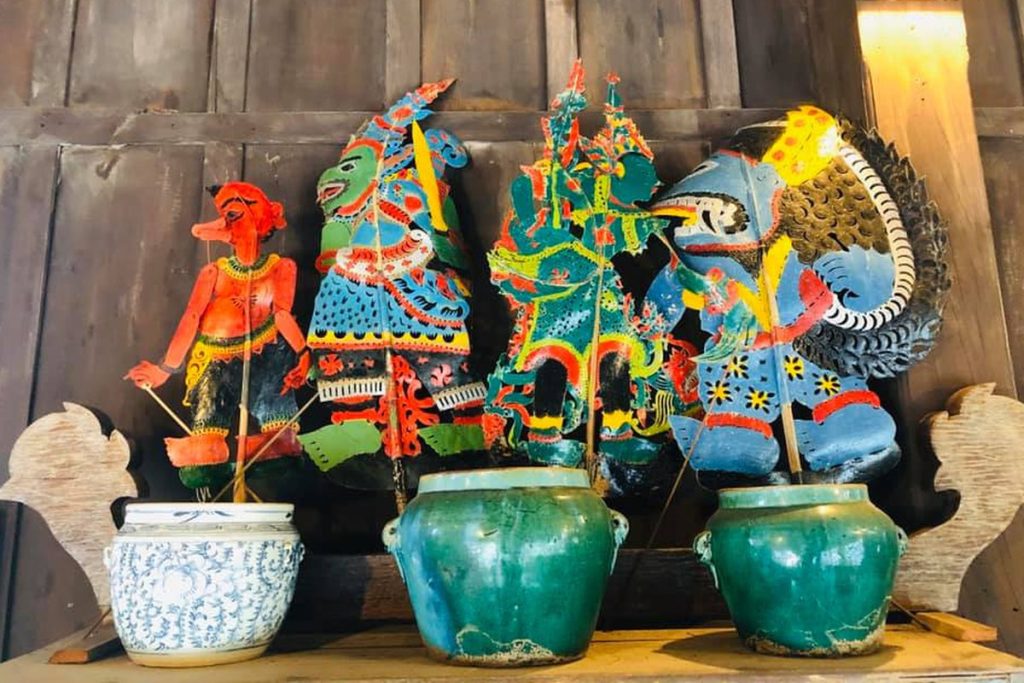
Wayang Kulit Puppets (Traditional Shadow Play Figures)

Elaborately carved puppets used in Wayang Kulit, a traditional form of shadow theatre. Figures often depict characters like Rama, Sita, and Ravana from Indian epic poems, showcasing intricate detail and storytelling artistry

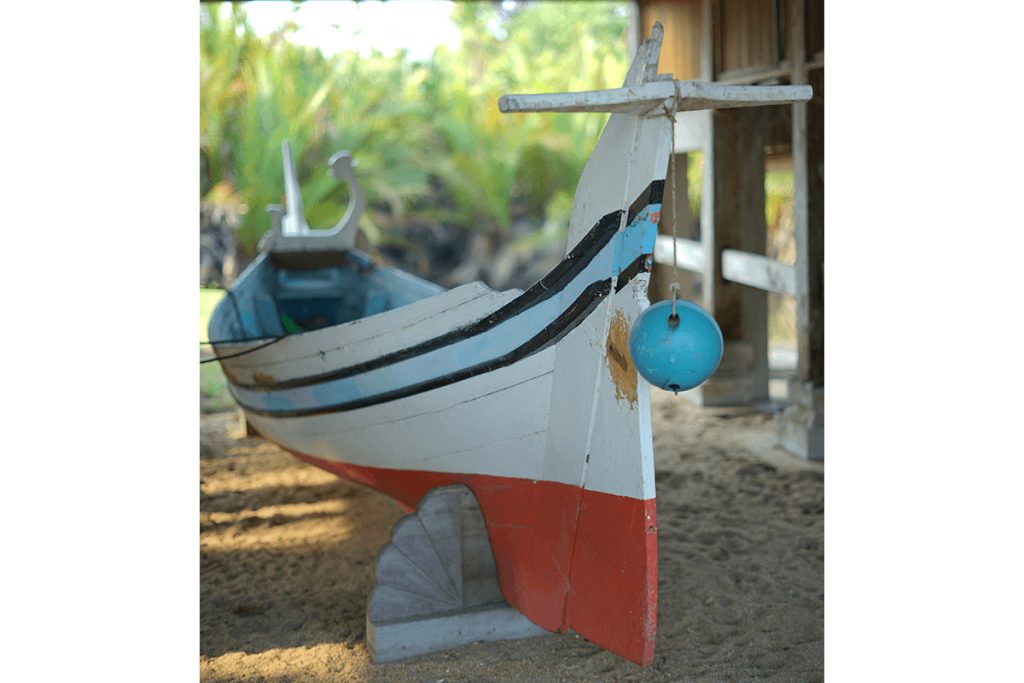
Perahu Nelayan (Fishing Boat)

A traditional fishing boat (perahu nelayan), characterized by its vibrant paintwork on the prow and stern. Such boats were essential for local fishermen to make a living from the sea, reflecting the strong maritime heritage of Terengganu. It is typically stored in sheltered areas when not in use.

Pengukur Kelapa (Coconut Scraper)

This object is a traditional wooden coconut scraper (pengukur kelapa). It features a sturdy base for stability and an upward-curving end with a metal or carved scraping head (partially visible). This tool was essential in traditional Malay kitchens for manually grating fresh coconut flesh, a common ingredient in many local dishes and kuih (desserts).

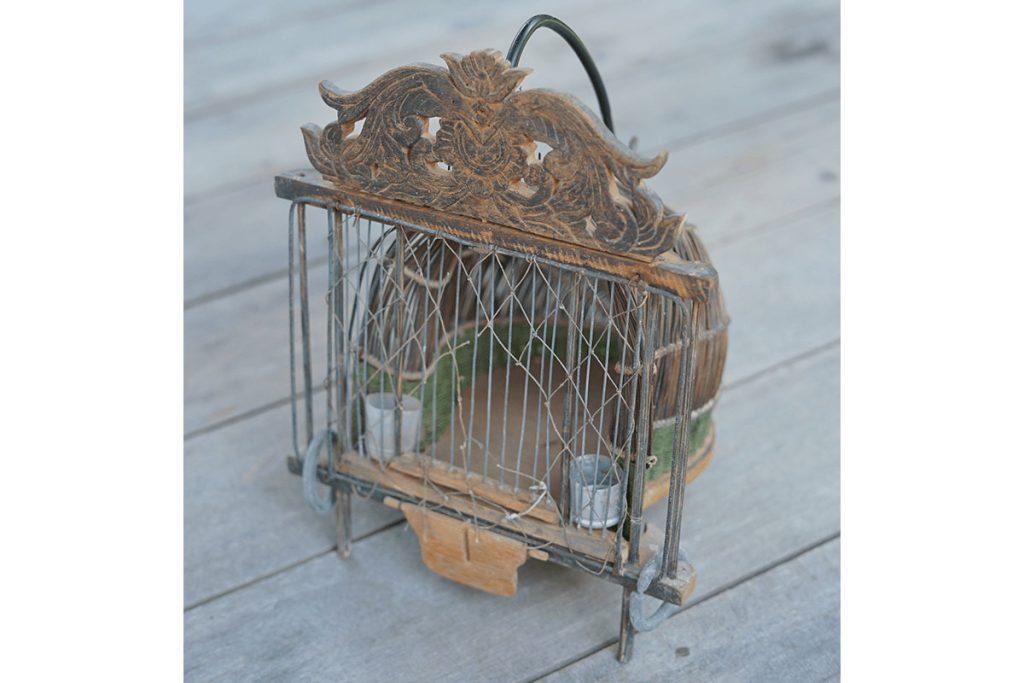
Sangkar Burung Ukiran (Carved Birdcage)

This is a traditional birdcage (sangkar burung ukiran) featuring an intricately carved wooden roof and frame. Such cages were commonly used to house songbirds, particularly for competitions or as pets, and often showcased fine woodcarving artistry as a decorative element in Malay homes.

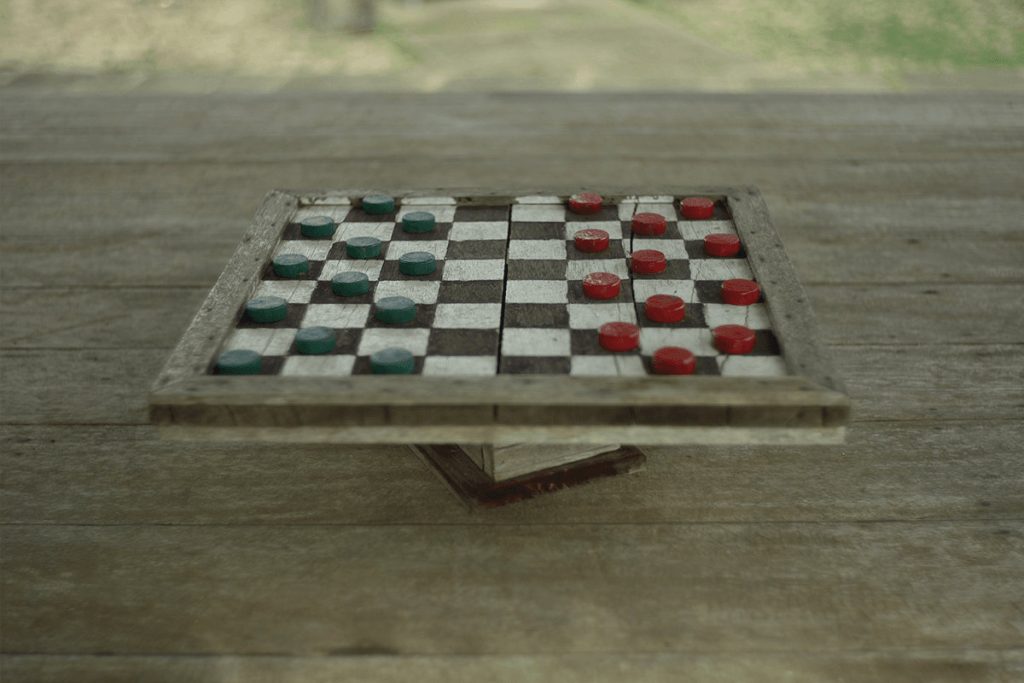
Dam (Traditional Board Game)

A classic checkerboard game, a form of traditional entertainment that fostered strategic thinking and community interaction in Malay culture.

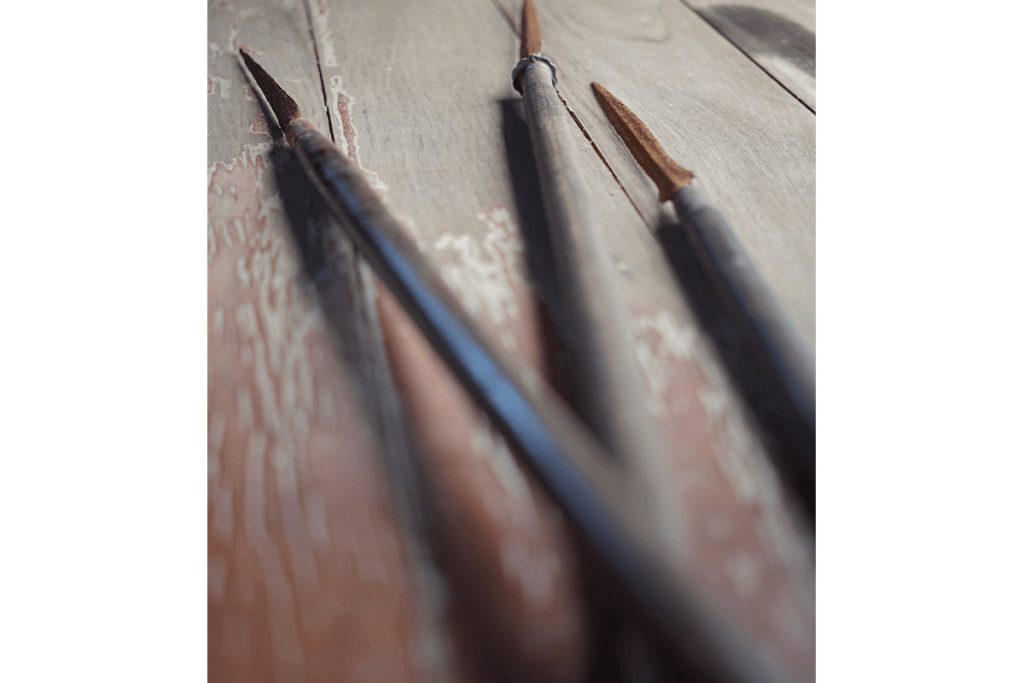
Mata Lembing (Spear Tips)

These are the metal tips of traditional Malay spears (lembing). Characterized by their sharp, elongated, and often barbed or leaf-shaped points, these tips were affixed to long wooden shafts. Spears were historically significant weapons for hunting, warfare, and ceremonial purposes in Malay culture.

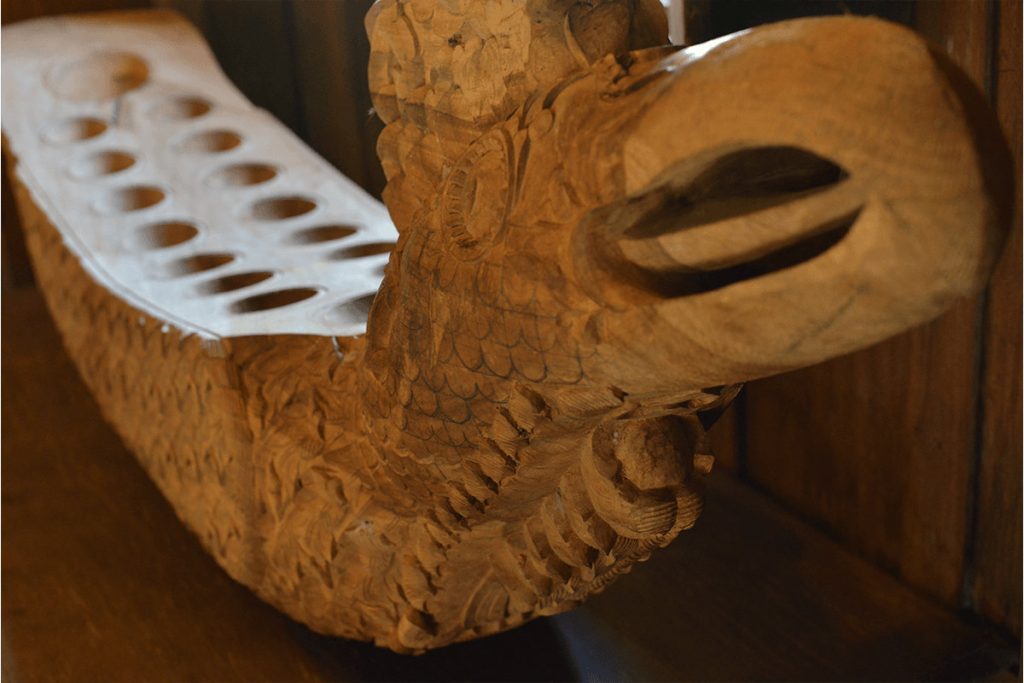
Congkak Burung Gagak Sura (Traditional Board Game - Bird Form)

This is a finely-carved wooden congkak board, a popular strategic game played throughout the Malay world. Uniquely transformed into a work of art, this specific board is in the shape of a bird, known as Burung Gagak Sura, reflecting a distinctive Langkasukan feature. The game involves moving pieces (often marbels or seeds) around carved holes, requiring speedy mental calculations. The bird’s feathers are notably represented by a leafy motif, showcasing intricate traditional craftsmanship.

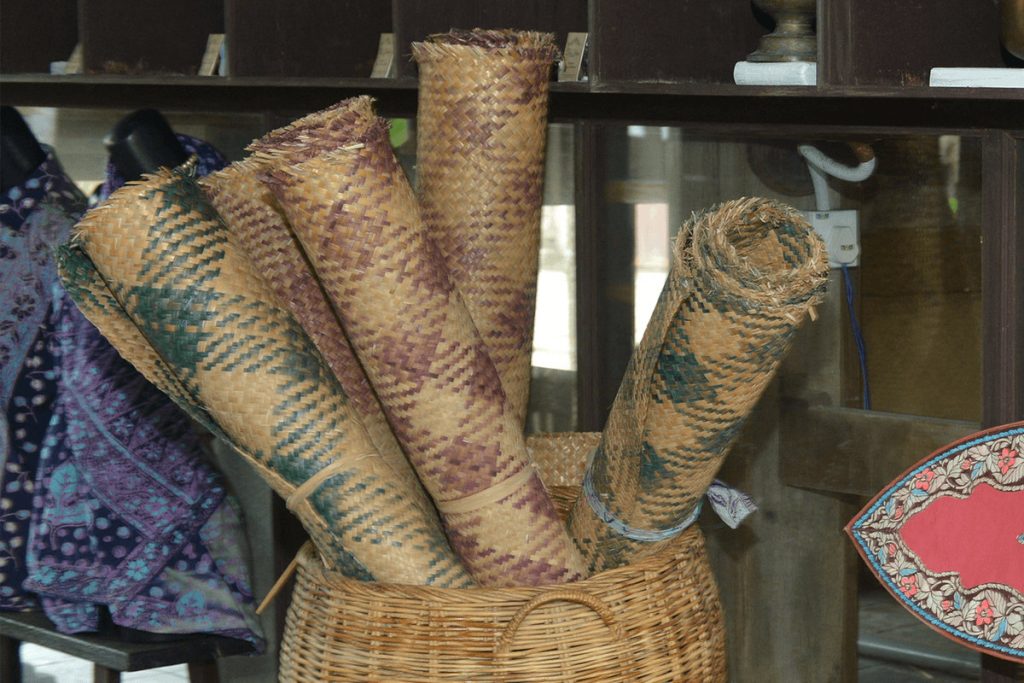
Tikar Anyaman (Woven Mats)

These are traditional woven mats (tikar anyaman), handcrafted from natural fibers like pandanus leaves or rattan. Rolled up and stored in a basket, these mats were commonly used in Malay homes for sitting, sleeping, or as floor coverings, showcasing intricate weaving techniques and serving as essential items in daily life.

Batok (Water Dipper)

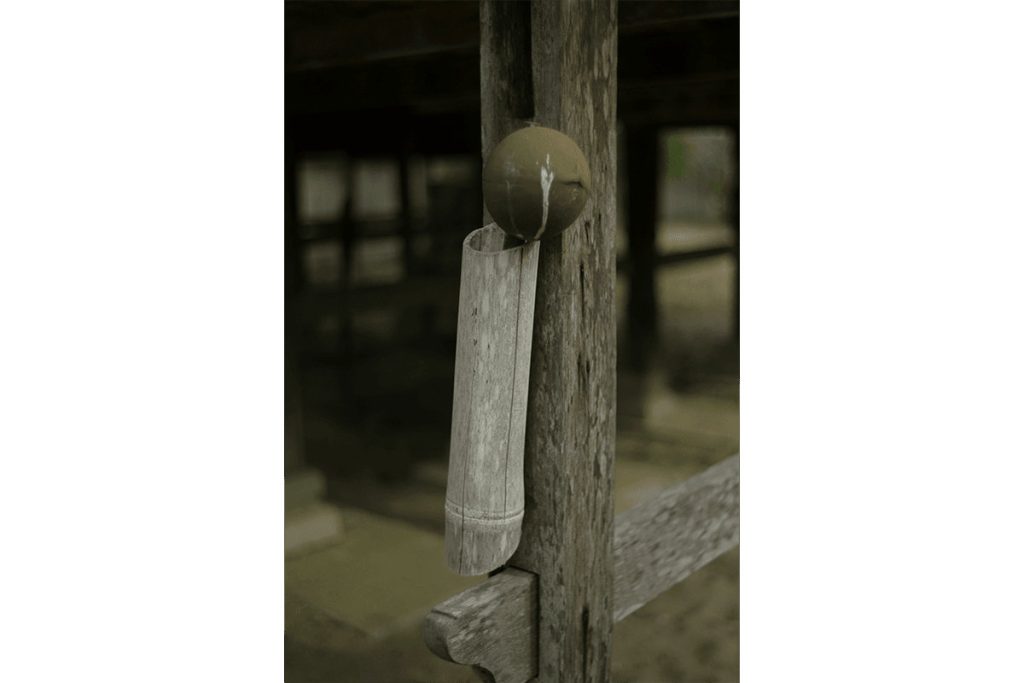
A traditional water dipper (batok), typically made from a coconut shell or sometimes from wood, attached to a wooden handle. It is commonly hung outside traditional Malay houses, often near the stairs or a water jar (tempayan), for scooping water for washing feet before entering the home. It is also known as a gayong.

Tempayan (Earthenware Jars)

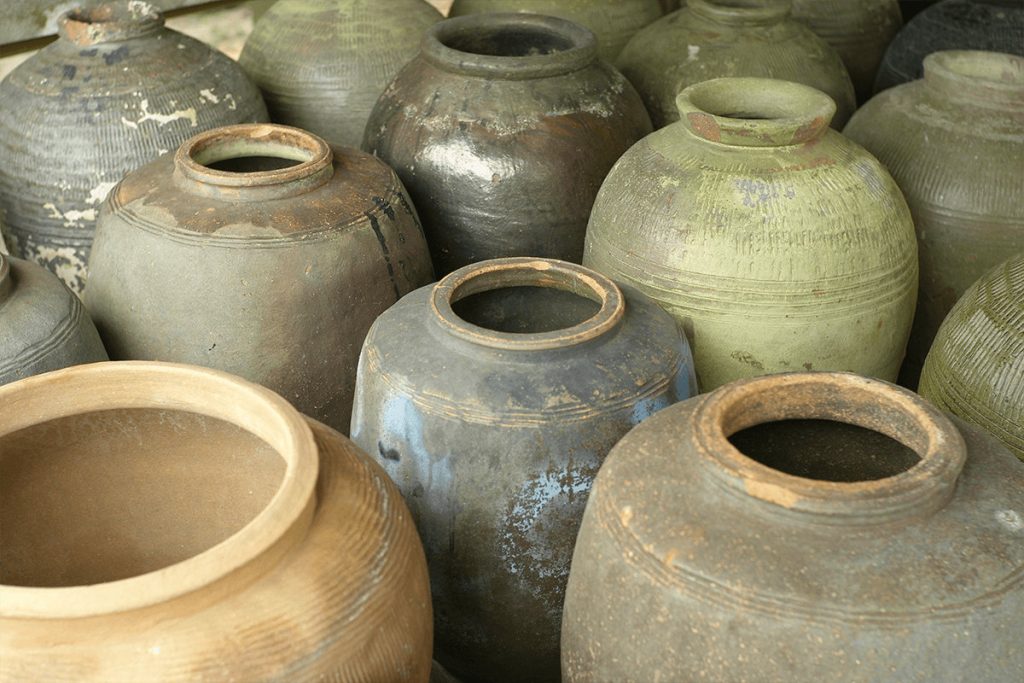
These are traditional earthenware jars (tempayan), commonly used in Malay households for storing water. Their presence reflects historical domestic practices, where such large pots were essential for household water supply and general storage.

Ukiran Acuan (Carved Molds)

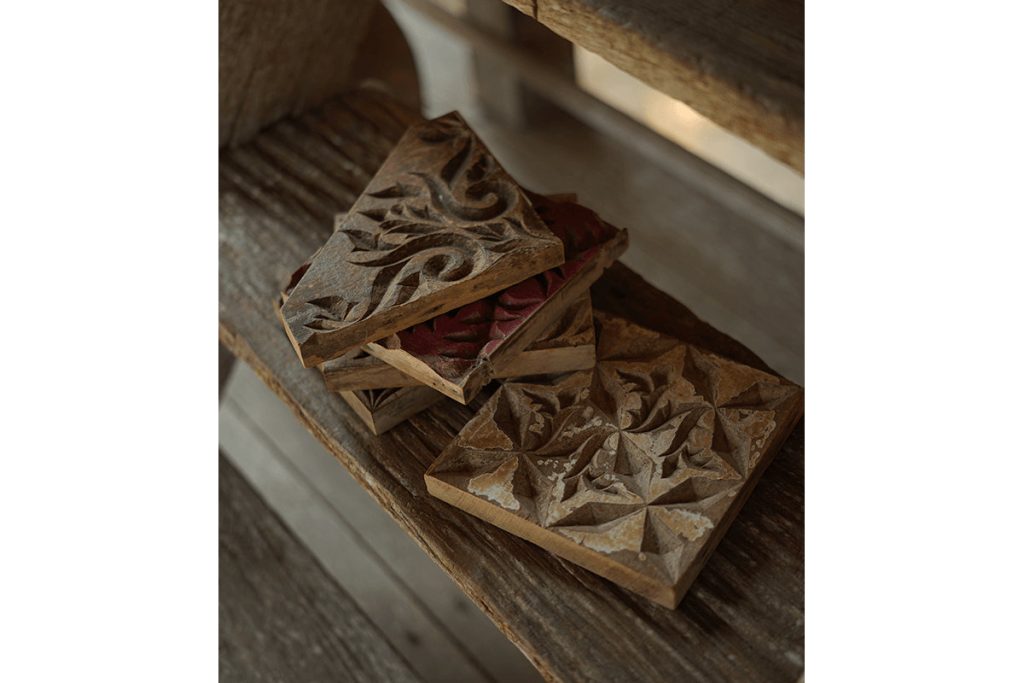
A stack of carved wooden molds, or ukiran acuan. These intricately patterned blocks were traditionally used to press designs onto various materials, such as dough for cakes (kuih), or perhaps clay for pottery. They showcase detailed craftsmanship, reflecting the importance of decorative arts in traditional Malay culture and daily life.

Periuk Tembaga (Brass Cooking Pot)

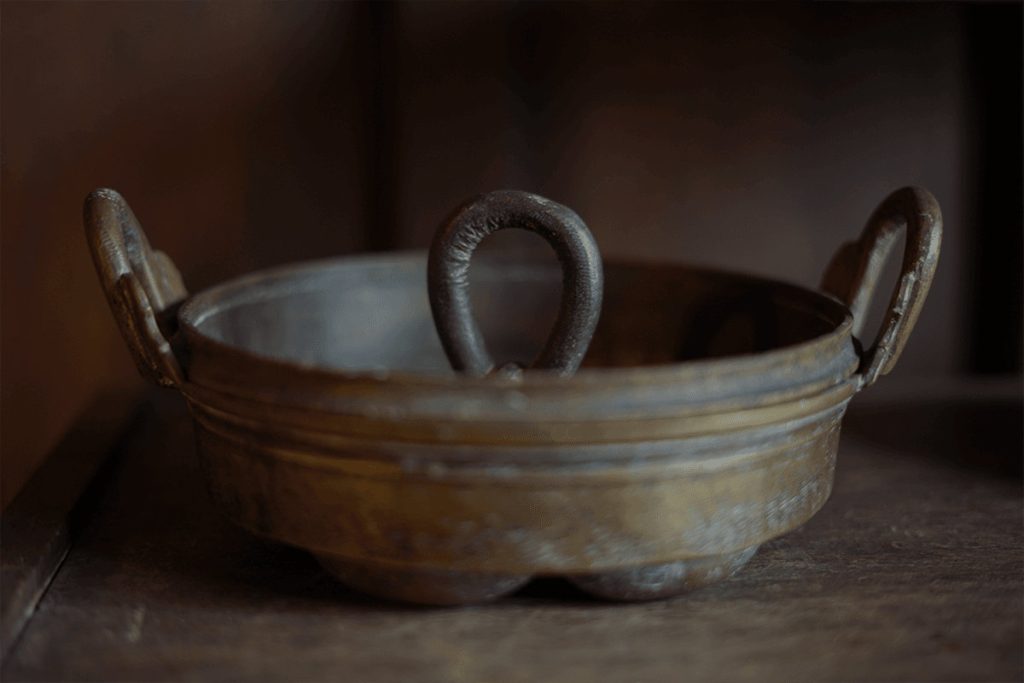
A small, traditional brass cooking pot (periuk tembaga) with two side handles and a central handle for its lid (not pictured). This implement was typically used for preparing various dishes or kuih (Malay desserts), showcasing the use of durable brassware in traditional Malay kitchens.

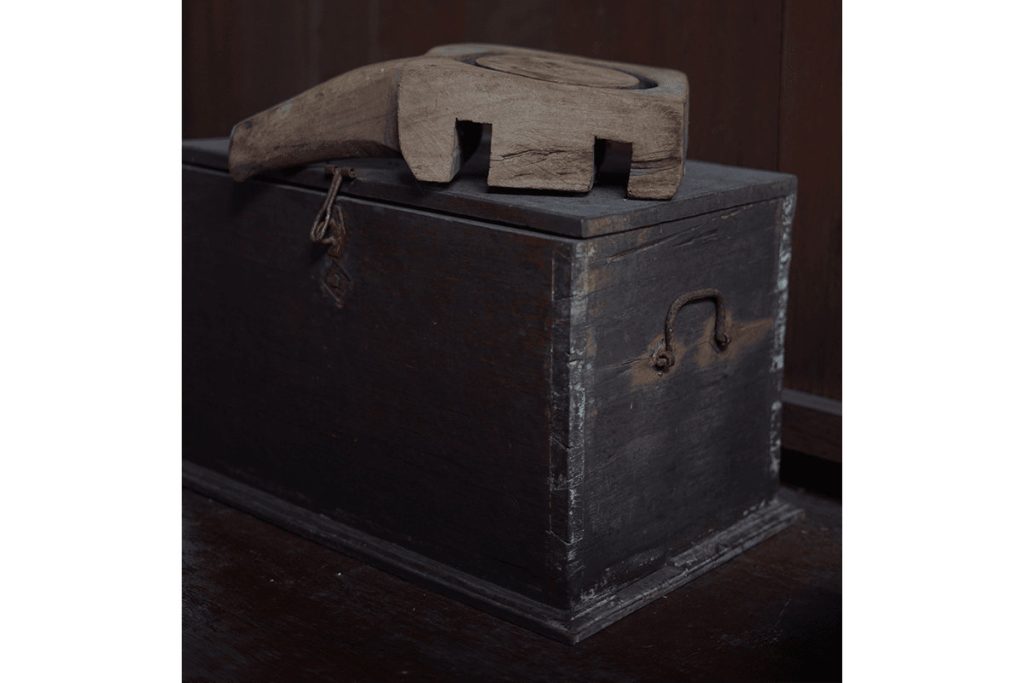
Almari Pakaian / Kotak Kayu (Wooden Wardrobe / Wooden Chest)

A sturdy wooden chest (kotak kayu) with a traditional wooden implement resting on its lid. Such chests were commonly used in Malay households for storing clothing, valuables, or personal belongings. The presence of this item, alongside the wooden press, reflects the everyday practicalities and traditional craftsmanship within the historic homes.

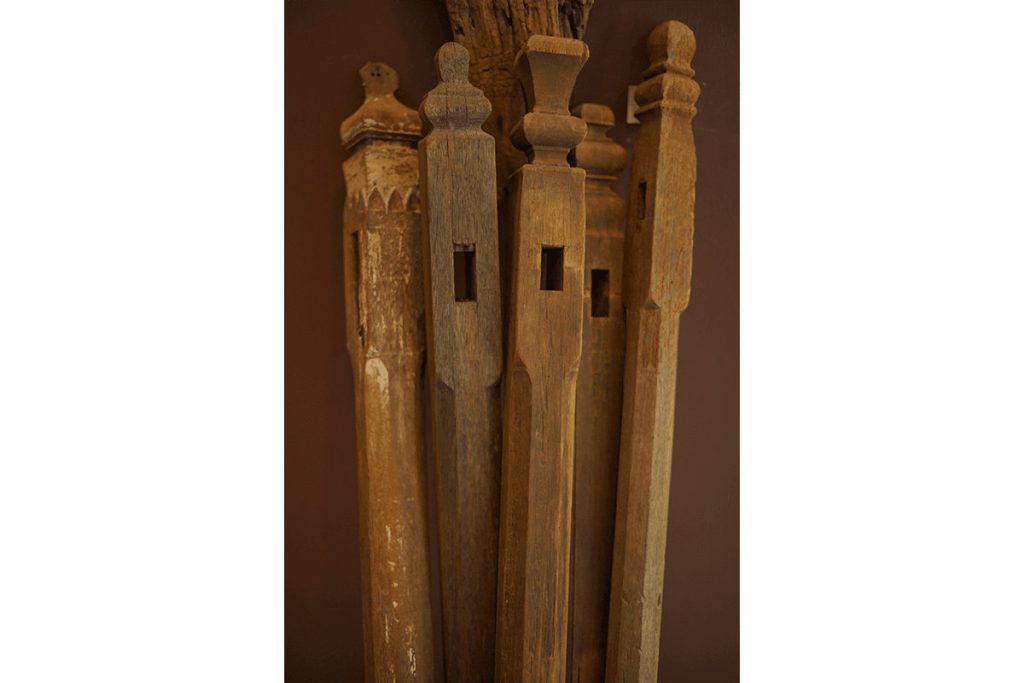
Tiang Ukiran (Carved Posts)

These are ornamental carved wooden posts (tiang ukiran), likely used as parts of railings, balusters, or decorative supports within a traditional Malay house. Their varied designs and proportions, including some with square openings, showcase the diverse woodcarving artistry and attention to detail inherent in traditional Terengganu architecture. They often serve both structural and aesthetic purposes.

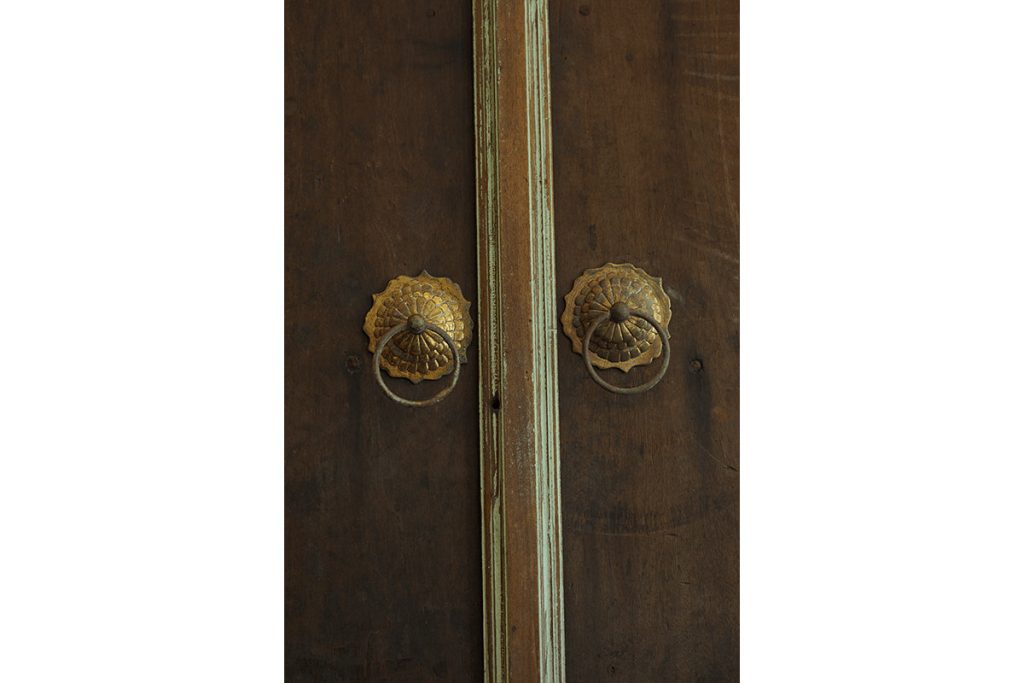
Cincin Pintu Tembaga (Brass Door Rings)

These are ornate brass door rings (cincin pintu tembaga), serving as both decorative accents and functional handles for a wooden door or cabinet. Their intricate, flower-like backplates and robust rings showcase the use of metalwork artistry in traditional Malay homes.

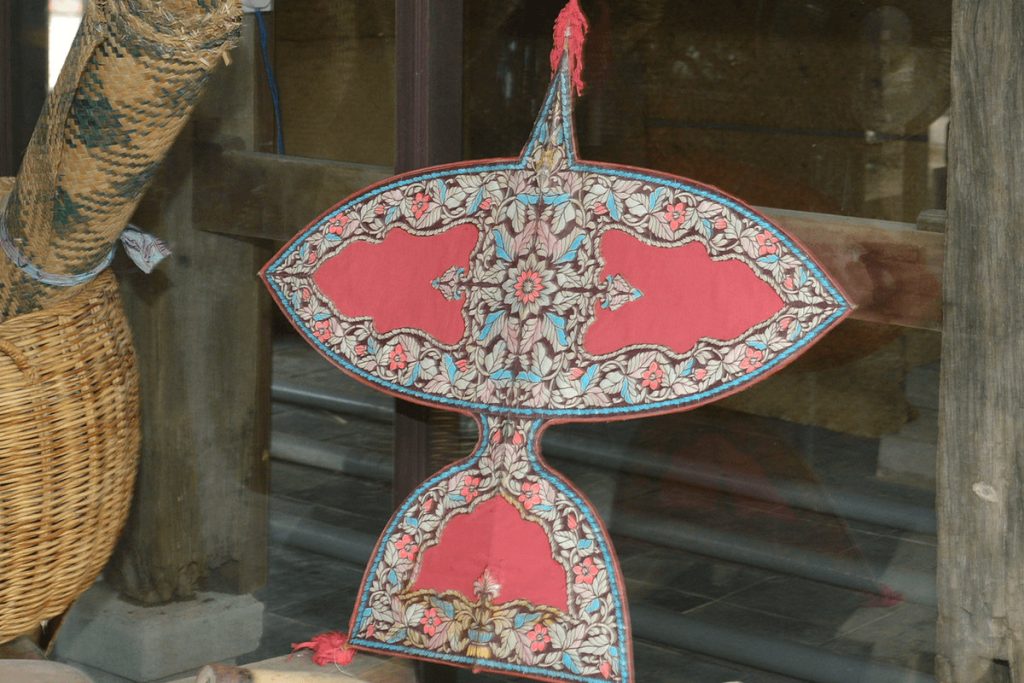
Wau Bulan (Moon Kite)

An intricately designed traditional Malay kite (wau), often characterized by its distinctive moon-like shape at the tail and vibrant, elaborate patterns. These elegant wau are considered a form of elevated folk art and are a popular pastime in Malaysia, especially in the northeastern states, showcasing fine craftsmanship and cultural heritage.

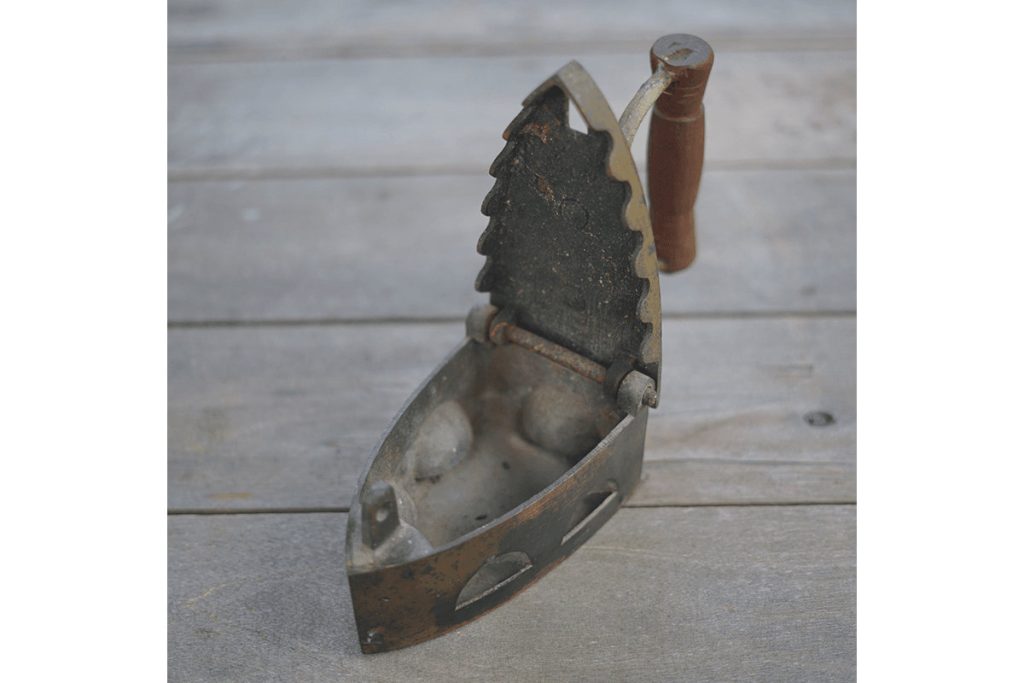
Seterika Arang (Charcoal Iron)

This is a traditional charcoal iron (seterika arang), an antique household implement used for pressing clothes. It features a hinged top that opens to reveal a chamber where hot charcoal would be placed, providing heat to the heavy metal base for ironing. This item reflects domestic practices from a bygone era before electric irons became common.

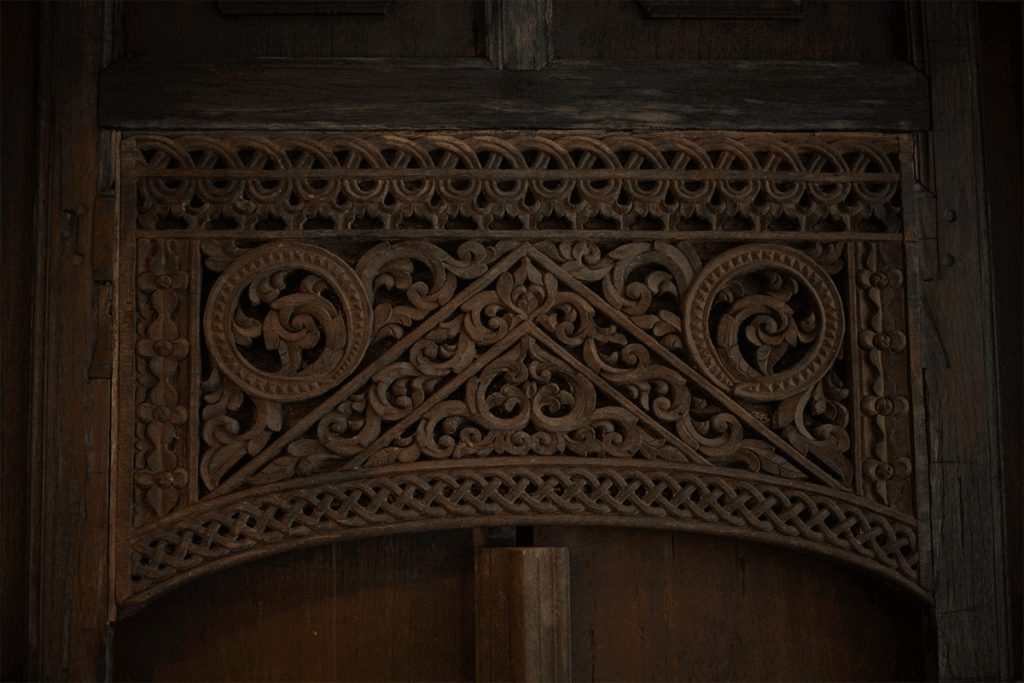
Ukiran Pintu (Carved Door Ornament)

An ornate carved wooden panel (ukiran pintu) typically found above a door or doorway in a traditional Malay house. The intricate design features a vibrant mix of geometric patterns (the top band) and flourishing, organic motifs (the arch below), often with remnants of yellow and red paint. Such carvings are hallmarks of Malay woodcarving artistry, serving as both decorative elements and focal points in the home.

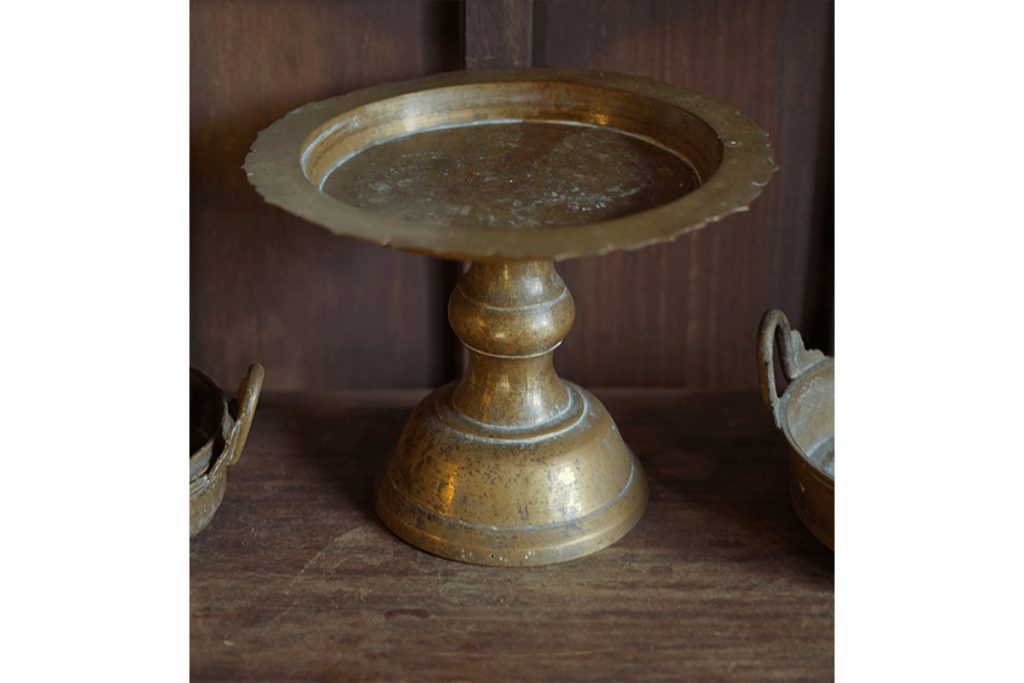
Talam Kaki (Pedestal Tray)

A traditional brass pedestal tray (talam kaki), characterized by its elevated base and wide, flat top. Such trays were commonly used in Malay culture for serving food, sweets, or ceremonial offerings, adding elegance to the presentation during gatherings or special occasions. Its design showcases traditional metalworking artistry.

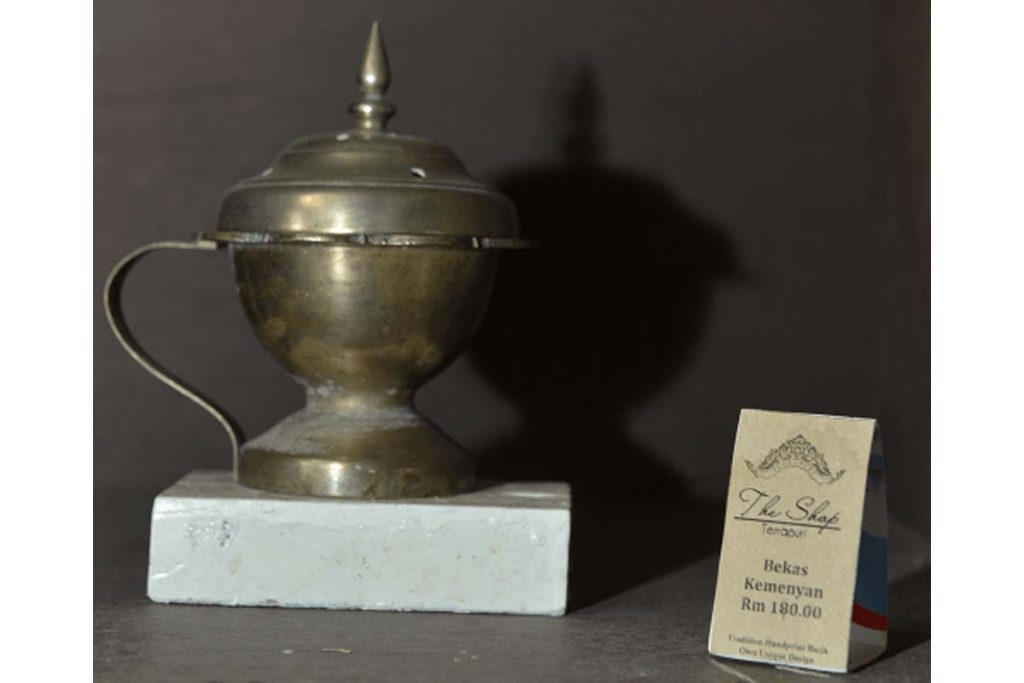
Bekas Kemenyan (Incense Burner)

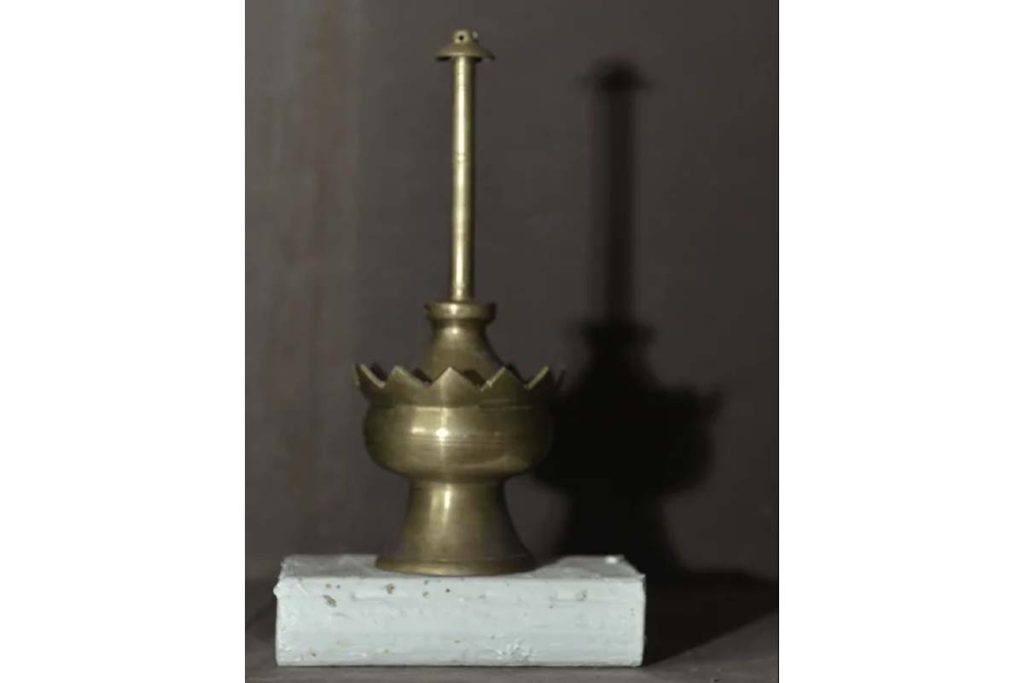
This is a traditional brass incense burner (bekas kemenyan) with a handle and a perforated lid, often topped with a finial. Used for burning kemenyan (incense) during rituals, ceremonies, or for its aromatic properties, it represents a spiritual or cultural practice in Malay tradition.

Bekas Air Mawar (Rose Water Container)

A traditional brass container (bekas air mawar), characterized by its tall, slender spout and ornate base. Such vessels were historically used for sprinkling rose water (air mawar) during ceremonies, festive occasions, or for welcoming guests in Malay culture.

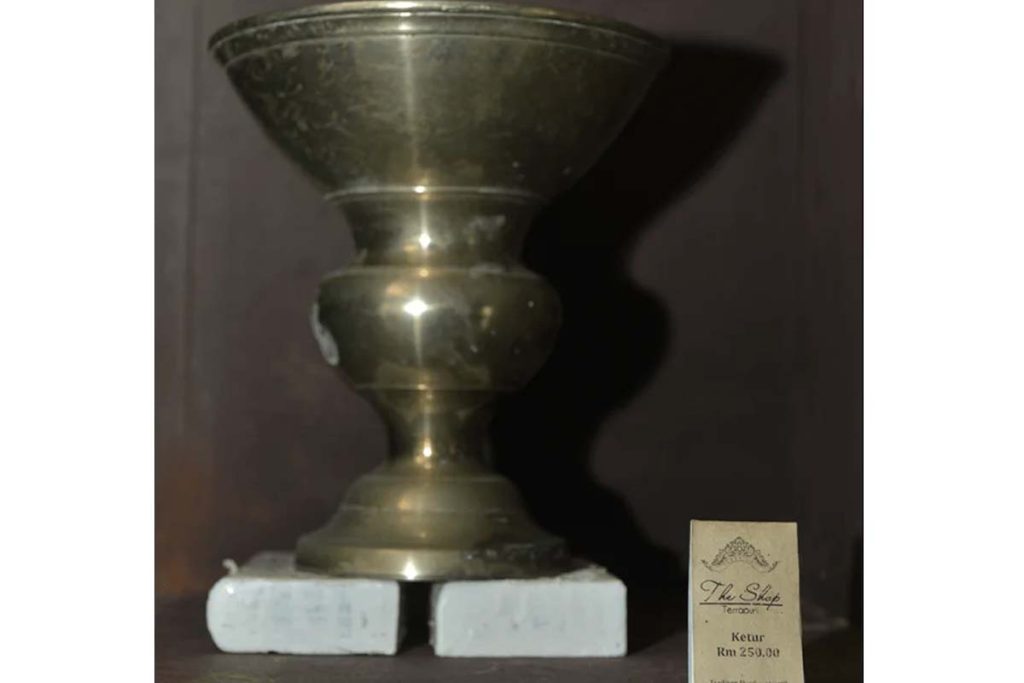
Ketur (Pedestal Offering Bowl)

This is a traditional brass pedestal bowl (ketur), characterized by its wide, shallow top and an elevated, ornate base. Such vessels were commonly used in Malay culture for serving food, sweets, or ceremonial offerings, adding elegance to the presentation during gatherings or rituals.

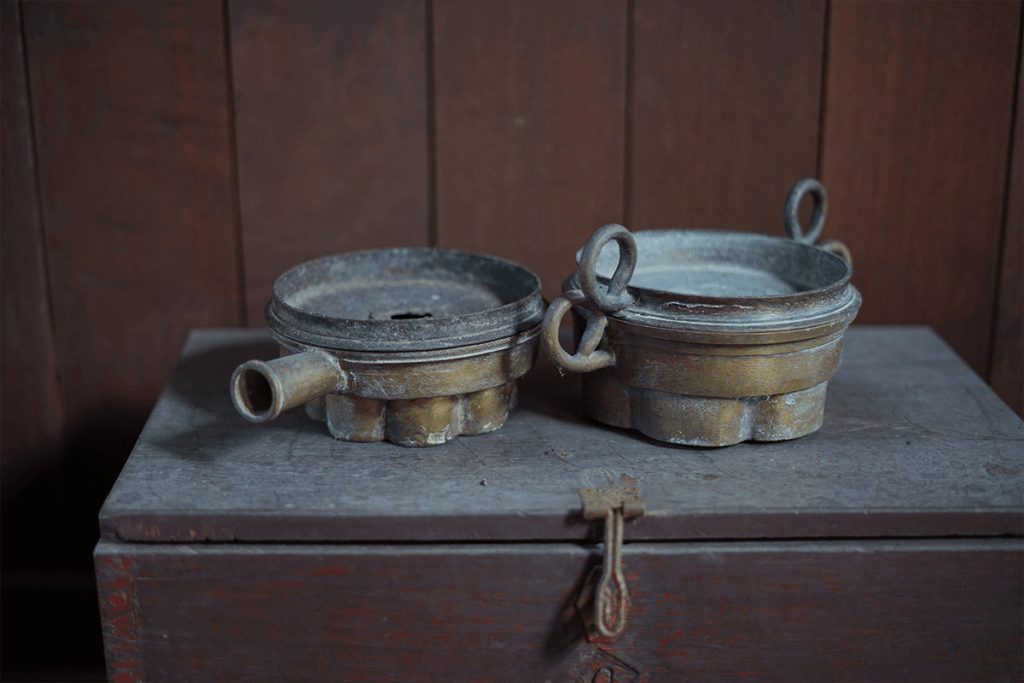
Acuan Loyang (Brass Molds)

These are traditional brass molds (acuan loyang) used in Malay cooking. They feature various shapes and designs, including fluted edges and handles, and were typically used for baking or steaming specific types of kuih (traditional desserts) or other delicacies. Their presence highlights the rich culinary heritage and domestic practices of the region.

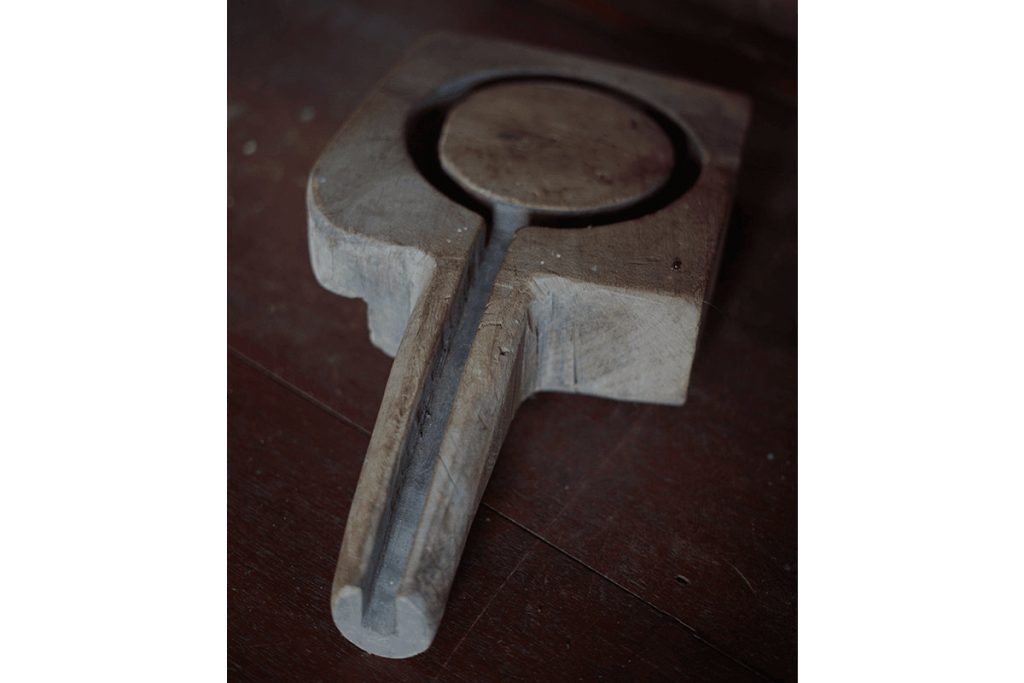
Alat Penekan Kayu (Wooden Pressing Tool)

A traditional wooden pressing tool (alat penekan kayu) with a circular chamber and a long, grooved channel. This implement was likely used to extrude dough or batter for making noodles or certain traditional kuih (cakes), showcasing Malay culinary methods.

Tali Gasing (Spinning Top String Holder)

This object is a simple, traditional device for holding the string of a gasing (Malay spinning top). It features a bamboo tube to store the string, and a spherical or rounded top, possibly for aesthetics or to act as a counterweight. This implement is a testament to the traditional games and crafts of Malay culture.